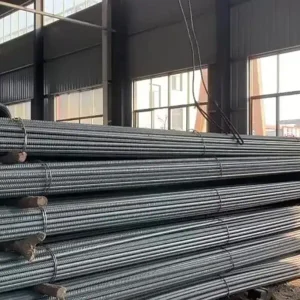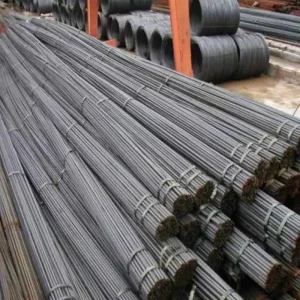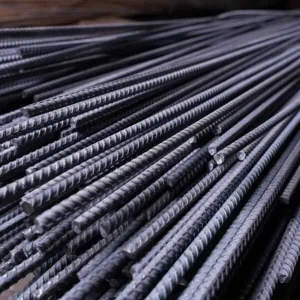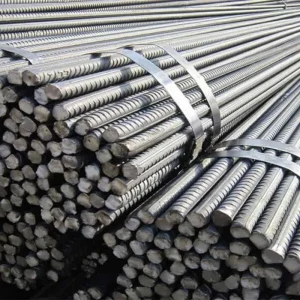
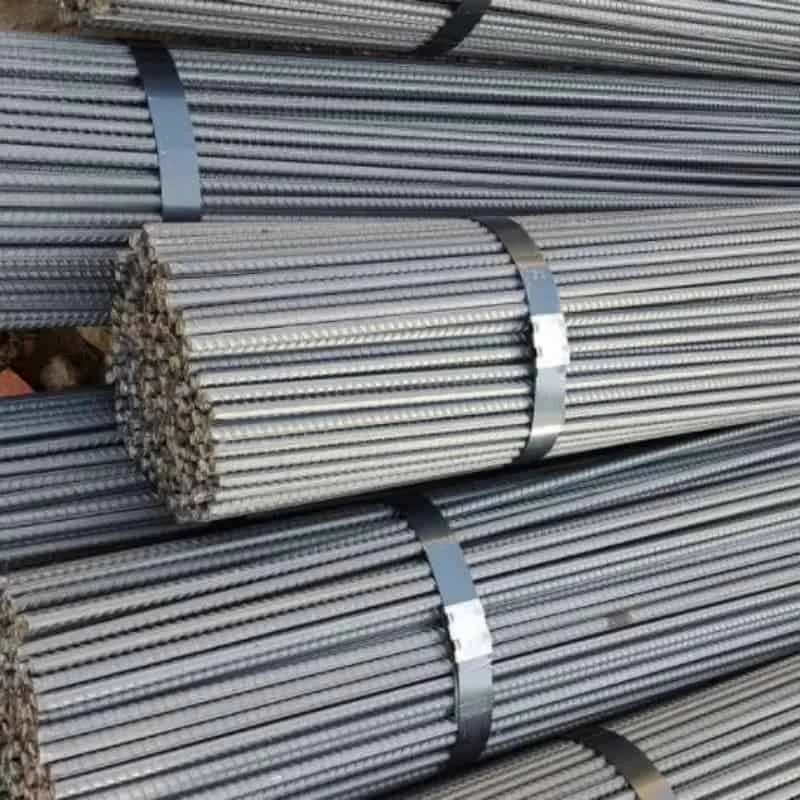
Deformed Steel Rebar
Secure certified deformed rebar engineered for high-ductility structural reinforcement in heavy infrastructure and seismic-resilient foundations. We guarantee precise rib geometry, strict yield strength conformity, and full metallurgical traceability—delivered with 2-hour rapid technical quotes by SXY Steel Group.
Tired of slow factory replies while your site pouring schedule is closing in? Terrified of buying brittle rebar that snaps during bending, fails onsite testing, and halts your entire construction project? Stop the gamble—secure certified structural steel logs from SXY Steel Group right now.
Unique Features of Deformed Rebar
Deformed Rebar Three-Standard Cross Matrix
| US Standard (ASTM) | UK/Euro Standard | China (GB) | Yield Strength | Size Range / Length |
|---|---|---|---|---|
| ASTM A615 Gr 40 | BS 4449 Gr 250 | GB HRB335 | 280 MPa | 10mm-32mm / 12m |
| ASTM A615 Gr 60 (Target) | BS 4449 Gr 500B | GB HRB400E | 420/500 MPa | 10mm-50mm / Custom |
Technical QA/QC Verification
• Precision Tensile Strength Audit: SXY Steel Group enforces strict structural compliance. Every batch undergoes rigorous destructive tensile testing to ensure yield thresholds are exceeded, guaranteeing seismic integrity for your project.
• Certification & Security: We provide EN 10204 3.1 MTCs with every shipment. To eliminate capital risk, SXY Steel Group supports 100% Irrevocable Letters of Credit (L/C) at sight. We are ready for pre-shipment inspections by SGS, Bureau Veritas, or Intertek.
Logistics & Export Handling
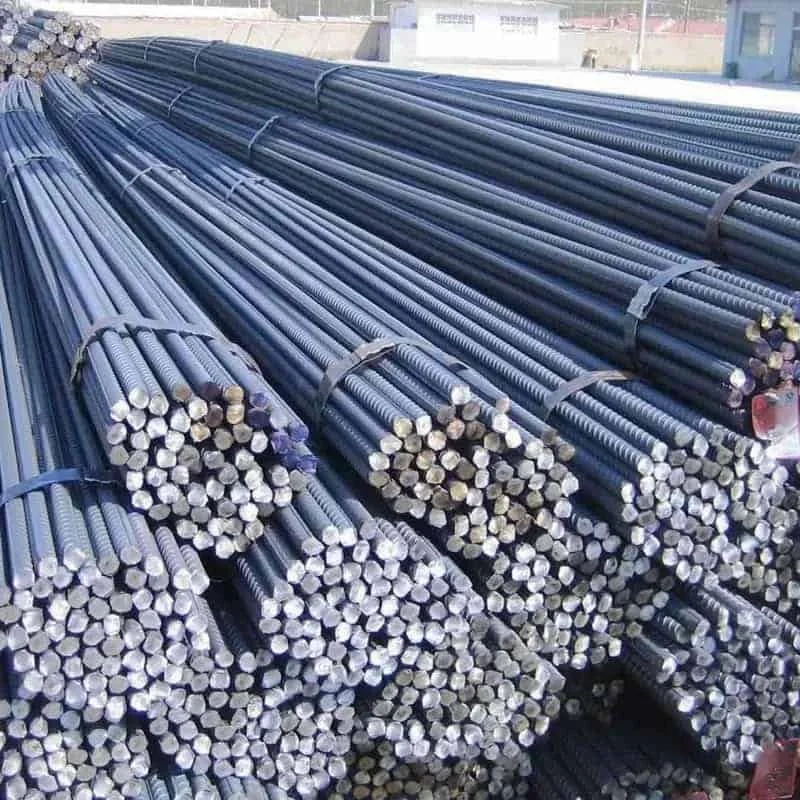
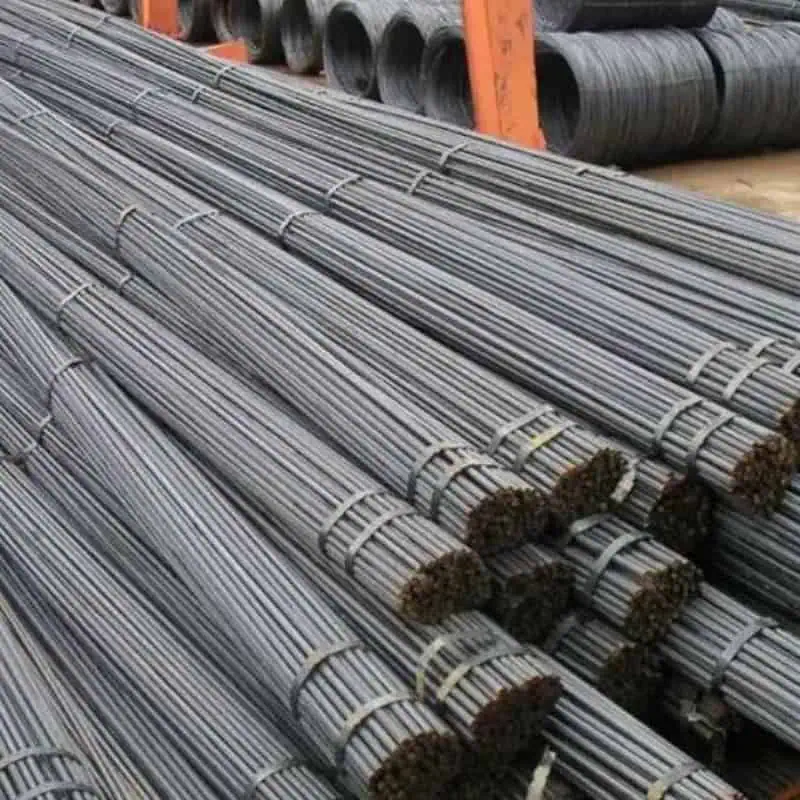
• Heavy-Duty Bundling: Each bundle is secured with high-tensile steel wire to prevent shifting, featuring waterproof metal tags for easy on-site inventory management.
• Port Efficiency Buffer: SXY Steel Group negotiates up to 21 days of extended free container demurrage on your Bill of Lading, protecting local clearing agents from costly administrative delays.
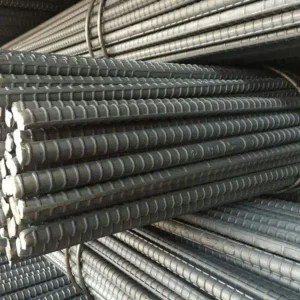
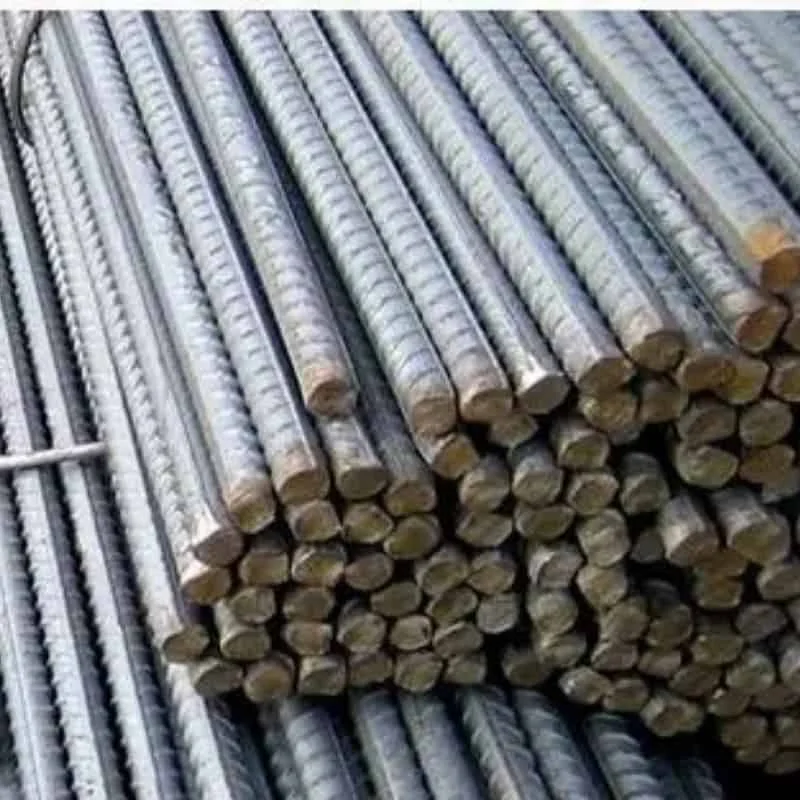
- Textured Surface for Enhanced Bonding: The ribs or deformations on the surface of the rebar significantly increase the bond with concrete. This ensures that the rebar stays securely embedded, providing improved structural integrity in reinforced concrete.
- High Tensile Strength: Deformed rebar comes in various grades, with Grade 60 (60,000 psi) and Grade 75 (75,000 psi) being particularly popular. These grades offer superior tensile strength, making them ideal for high-load-bearing applications.
- Corrosion Resistance: Many types of deformed rebar are manufactured with enhanced corrosion resistance to extend the service life of concrete structures exposed to harsh environments such as marine or industrial zones.
- Versatility in Applications: Available in a variety of sizes, lengths, and grades, deformed rebar can be used for a wide range of applications, from residential buildings to massive infrastructure projects such as bridges and highways.
Technical Specifications for Deformed Rebar
| Property | Value |
|---|---|
| Surface | Deformed (ribbed, textured) |
| Grades | Grade 40, Grade 60, Grade 75 |
| Yield Strength | Grade 40: 280 MPa (40,000 psi), Grade 60: 414 MPa (60,000 psi), Grade 75: 520 MPa (75,000 psi) |
| Tensile Strength | 400 MPa (58,000 psi) to 620 MPa (90,000 psi) |
| Elongation | ≥ 20% |
| Chemical Composition | Carbon (C): ≤ 0.30%, Manganese (Mn): 0.60-1.05%, Phosphorus (P): ≤ 0.04%, Sulfur (S): ≤ 0.05% |
| Diameter | Typically 6mm, 8mm, 10mm, 12mm, 16mm, 20mm, and up to 40mm |
| Standard | ASTM A615, ASTM A706, BS 4449 |
| Length | Typically 6m, 9m, 12m, or customized |
Free Project Rebar Optimization & BOM Audit
Working on high-rise foundation schedules or bridge infrastructure? Upload your structural rebar schedule or Bill of Materials (BOM) below. Our technical team will run a complete nesting calculation to minimize cutting waste and reduce your project’s total net steel consumption.