
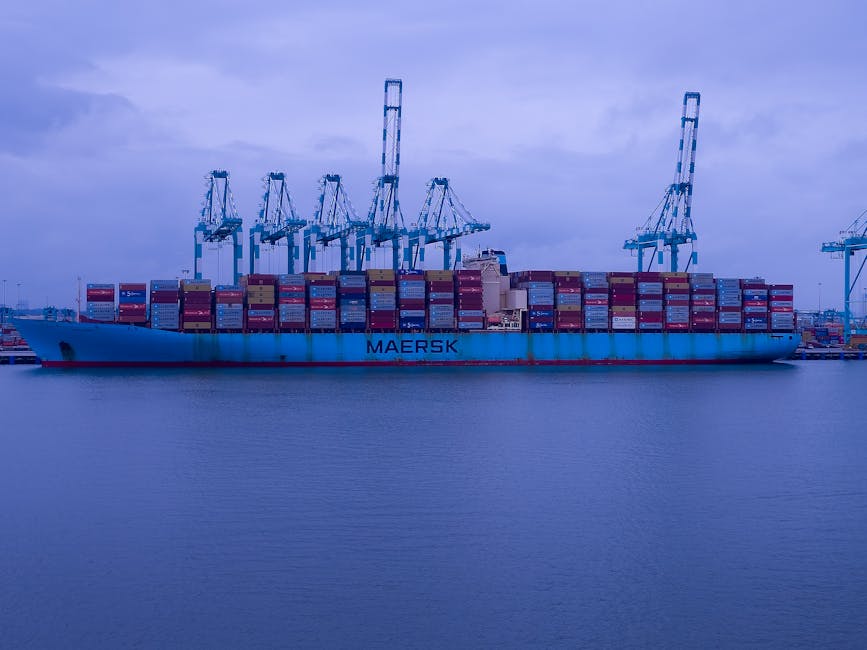
2026 has brought important policy changes for China’s steel export industry, which directly affect B2B procurement, pricing, and delivery. As a direct steel factory with 20+ years of export experience, we summarize the core policy updates you need to know to avoid risks and ensure smooth cooperation.
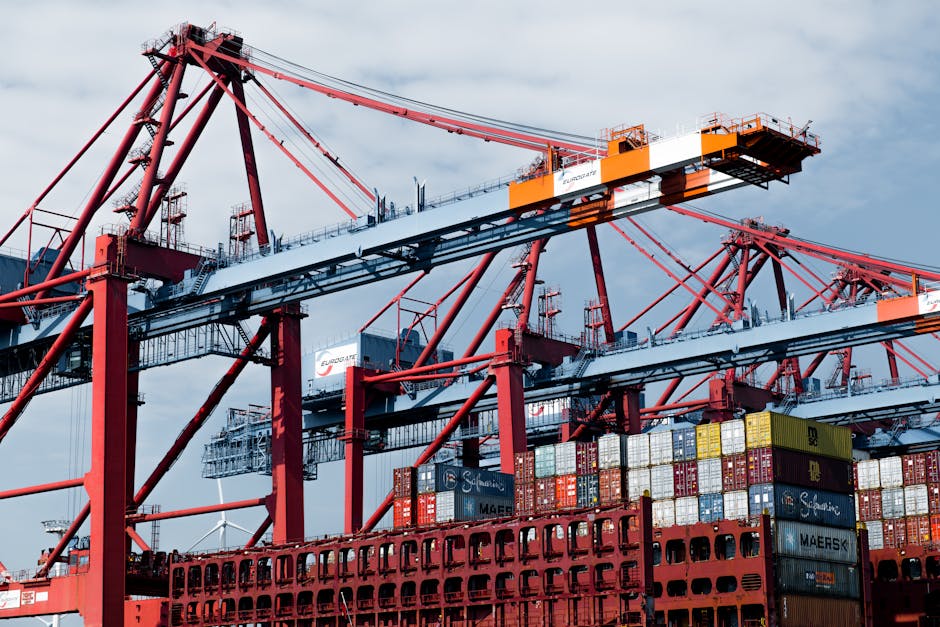
1. Export License Management Implementation
Since January 1, 2026, China has re-implemented export license management for steel products, covering 300 customs commodity codes from raw materials to finished products[1][5]. Enterprises need to provide export contracts and quality inspection certificates to apply for licenses, which are processed within 3-5 working days.
2. Full Cancellation of Export Tax Rebates
All steel products previously eligible for export tax rebates now have a 0% rebate rate[2]. This may slightly increase export costs, but it also drives the industry to shift from low-cost competition to high-value-added product development, benefiting long-term market stability.
3. Compliance and Market Layout Adjustments
Illegal export behaviors such as “buyer export” are strictly prohibited[4]. Meanwhile, policies encourage enterprises to optimize market layout, reduce reliance on traditional markets, and explore emerging markets in Africa and Latin America[1][2].
4. Tips for B2B Buyers to Adapt
Choose suppliers with complete license qualifications and compliance capabilities. Confirm policy-related cost adjustments in advance, and cooperate with factories that can provide professional policy guidance to ensure smooth customs clearance and delivery.
As a compliant direct steel factory, we have complete export license qualifications and can help you adapt to the latest policies. Contact us to get policy consultation and a free quote tailored to your export needs!