
As a B2B steel buyer, choosing the right material for your project is critical—it directly impacts durability, cost-effectiveness, and long-term performance. Among the most widely used steel types, carbon steel and galvanized steel are two staples in construction, manufacturing, and industrial applications. But how do you decide which one fits your needs? This guide breaks down their key differences, properties, applications, and selection tips, helping you make informed purchasing decisions.
At our steel factory, we’ve supplied both carbon steel and galvanized steel to global clients for over 20 years. We understand the challenges buyers face when selecting materials, so we’ve compiled this practical guide to simplify your decision-making process—no technical jargon, just clear, actionable insights.
1. What Are Carbon Steel and Galvanized Steel?
Before diving into comparisons, let’s clarify the basics of each material. Both are widely used in B2B projects, but their composition and manufacturing processes set them apart.
Carbon Steel: Strength and Versatility at Its Core
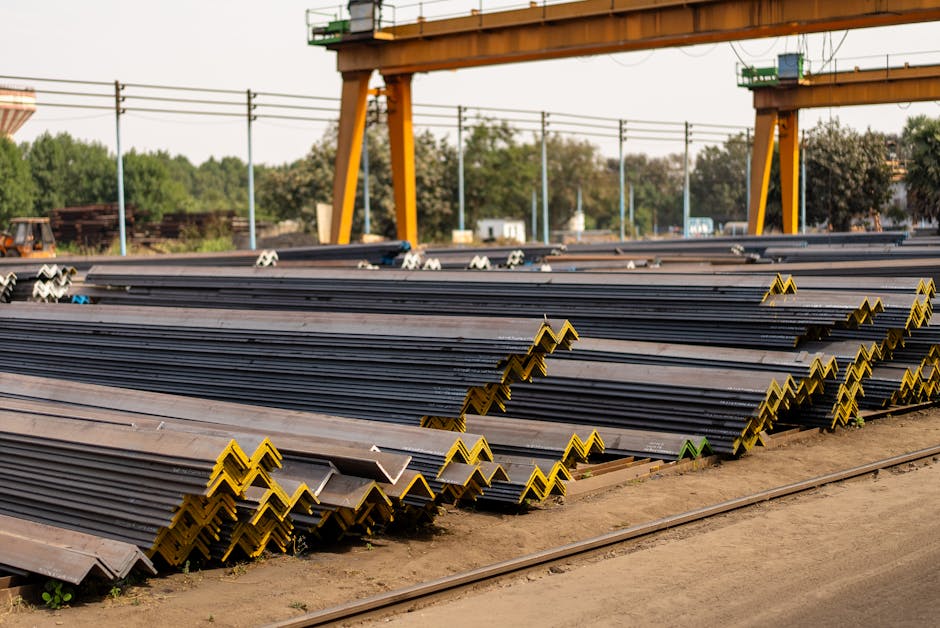
Carbon steel is an alloy of iron and carbon, where the carbon content determines its mechanical properties. It’s classified into three main categories based on carbon levels:
- Low Carbon Steel (≤ 0.3% C): Highly formable and easy to weld, ideal for structural components, automotive panels, and general construction parts.
- Medium Carbon Steel (0.3–0.6% C): Balances strength and ductility, used in machinery parts, rails, and forging applications.
- High Carbon Steel (0.6–1.0% C): Offers high hardness and strength, suitable for cutting tools, springs, and high-stress components.
Key characteristics: Exceptional tensile strength, good hardness, moderate weldability, and cost-effectiveness. However, unprotected carbon steel is susceptible to corrosion, especially in humid or outdoor environments[1].
Galvanized Steel: Corrosion Protection for Longevity
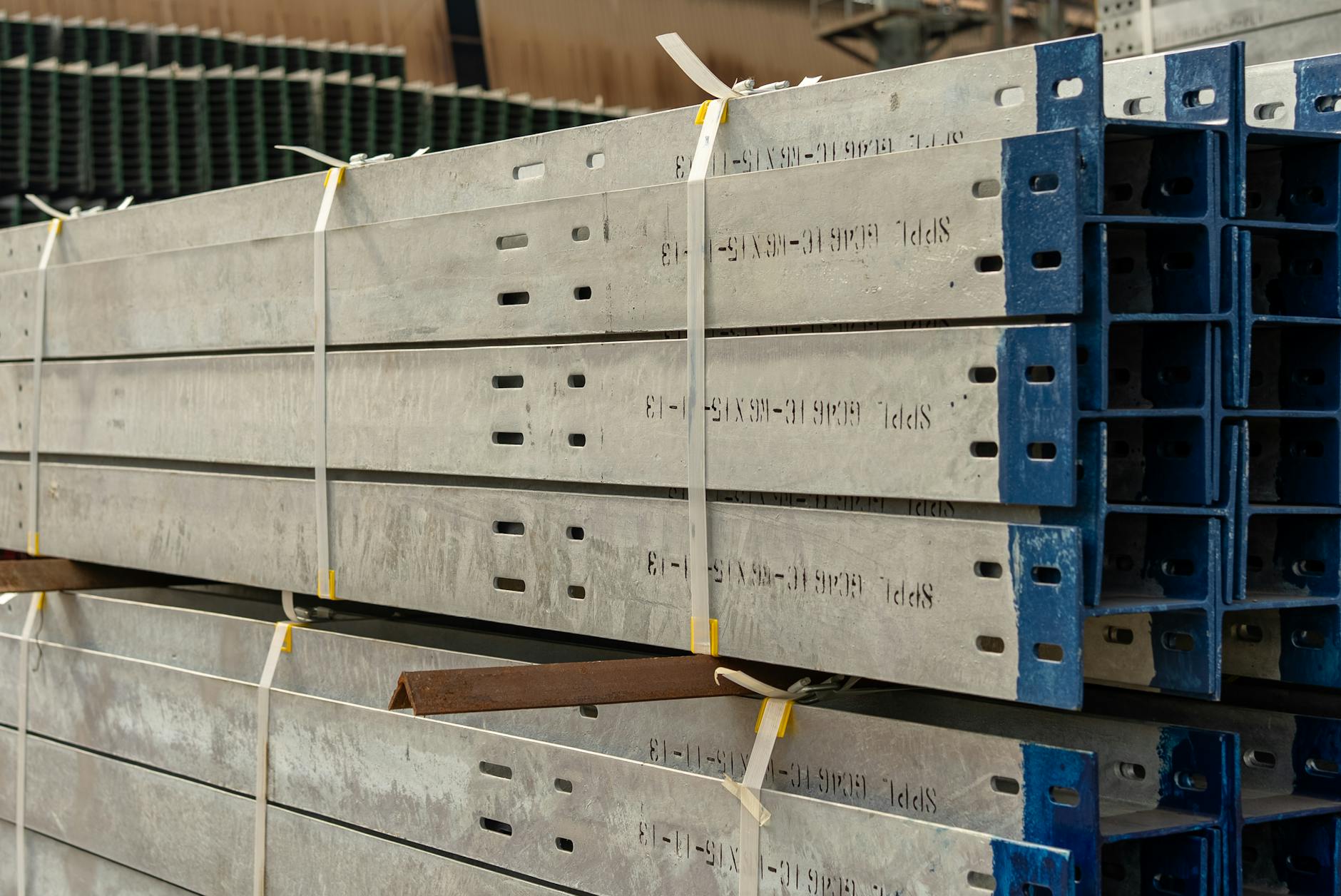
Galvanized steel is essentially carbon steel with a protective zinc coating. This coating acts as a barrier, preventing rust and corrosion, making it ideal for harsh environments. The two main galvanization methods are:
- Hot-Dip Galvanizing: Immersing steel in molten zinc to form a thick, durable coating—perfect for outdoor and heavy-duty applications.
- Electro-Galvanizing: Applying a thin, uniform zinc layer via electroplating, suitable for products requiring a smooth surface finish (e.g., home appliances, electronics).
Key characteristics: Excellent corrosion resistance, a silvery spangle surface, and moderate strength (slightly lower than base carbon steel due to the zinc layer). Weldability is slightly reduced, but this is easily managed with proper techniques[4].
2. Key Differences Between Carbon Steel and Galvanized Steel
To help you compare at a glance, here’s a breakdown of their core differences:
| Factor | Carbon Steel | Galvanized Steel |
|---|---|---|
| Composition | Iron + carbon (no zinc coating) | Carbon steel + zinc coating |
| Corrosion Resistance | Low (prone to rust if unprotected) | High (zinc coating prevents rust) |
| Strength | Higher (varies by carbon content) | Slightly lower than same-spec carbon steel |
| Cost | Lower (no additional coating cost) | Higher (includes galvanization process) |
| Applications | Indoor structures, machinery, high-stress components | Outdoor construction, coastal projects, humid environments |
3. How to Choose Between Them for Your Project
The right choice depends on your project’s specific needs—focus on these four key factors to decide:
Factor 1: Environment of Use
If your project is outdoors, in coastal areas, or in humid environments (e.g., bridges, outdoor storage, marine components), galvanized steel is the better choice. The zinc coating protects against saltwater, rain, and moisture, extending the material’s lifespan by 2–3 times compared to unprotected carbon steel[7].
For indoor applications (e.g., factory machinery, indoor structural frames), carbon steel is sufficient and more cost-effective. You can also add a paint or powder coating to carbon steel for basic corrosion protection if needed.
Factor 2: Strength Requirements
If your project requires high strength (e.g., heavy-duty machinery, load-bearing beams, cutting tools), carbon steel is preferable. High-carbon steel offers exceptional hardness and tensile strength, making it suitable for high-stress applications. Galvanized steel, while strong enough for most general applications, cannot match the strength of high-carbon steel grades[1].
Factor 3: Budget Constraints
Carbon steel is more affordable upfront, as it does not require the additional galvanization process. This makes it ideal for large-scale projects with tight budgets (e.g., mass-produced machinery parts, indoor construction). Galvanized steel has a higher initial cost but reduces long-term maintenance costs, as it does not require frequent rust treatment or replacement[5].
Factor 4: Fabrication Needs
If your project involves extensive welding, bending, or cutting, carbon steel is easier to work with—its weldability is superior to galvanized steel. When welding galvanized steel, the zinc layer can produce fumes, so proper ventilation and techniques are required. For projects requiring a smooth surface finish (e.g., decorative components, appliances), electro-galvanized steel is a better option than hot-dip galvanized steel[7].
4. Common Misconceptions to Avoid
As a steel factory with decades of experience, we often hear buyers make these mistakes—here’s how to avoid them:
- Misconception 1: Galvanized steel is stronger than carbon steel – False. Galvanized steel’s strength is slightly lower than the carbon steel it’s coated on, as the zinc layer does not add strength. It only adds corrosion protection.
- Misconception 2: Carbon steel cannot be used outdoors – False. Carbon steel can be used outdoors if it’s protected with paint, powder coating, or other anti-corrosion treatments. It’s a cost-effective option for short-term outdoor projects.
- Misconception 3: Galvanized steel is maintenance-free – False. While galvanized steel is highly corrosion-resistant, the zinc layer can wear off over time (especially in harsh environments). Regular inspections and touch-ups are recommended for long-term use.
5. Our Expert Recommendation for B2B Buyers
At our factory, we work closely with B2B buyers to provide customized steel solutions. Here’s our quick recommendation based on common project types:
- Construction (outdoor/coastal): Hot-dip galvanized steel (e.g., galvanized sheets, angles, channels) for corrosion resistance.
- Heavy machinery/load-bearing structures: Medium/high carbon steel (e.g., carbon steel plates, H-beams) for strength.
- Indoor manufacturing: Low carbon steel (e.g., steel coils, pipes) for cost-effectiveness and easy fabrication.
- Decorative/electronics components: Electro-galvanized steel for a smooth, uniform surface.
Final Thoughts
Choosing between carbon steel and galvanized steel doesn’t have to be complicated—focus on your project’s environment, strength needs, budget, and fabrication requirements. As a direct steel factory, we offer both materials with strict quality control (ISO, SGS, BV certified) and customizable specifications to fit your unique needs.
If you’re still unsure which material is right for your project, our team of engineers is here to help. Contact us today to discuss your requirements, get a free quote, or request a sample—we’re committed to helping you source the perfect steel for your project.
Source: Industry research and our factory’s 20+ years of export experience. All data is verified and up-to-date as of 2026.