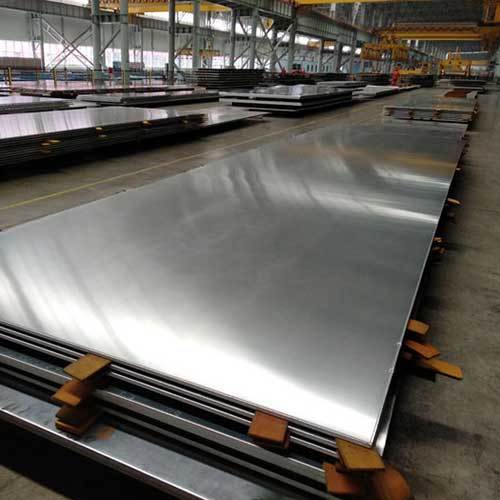
PRODUCT DETAILS
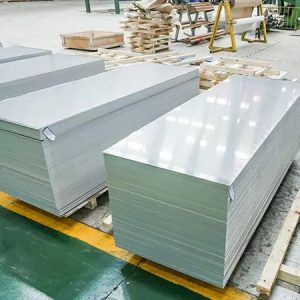
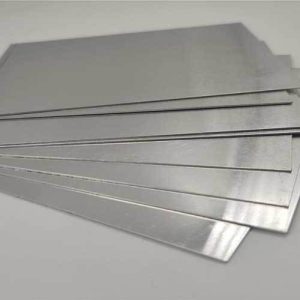
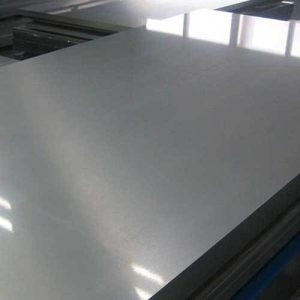
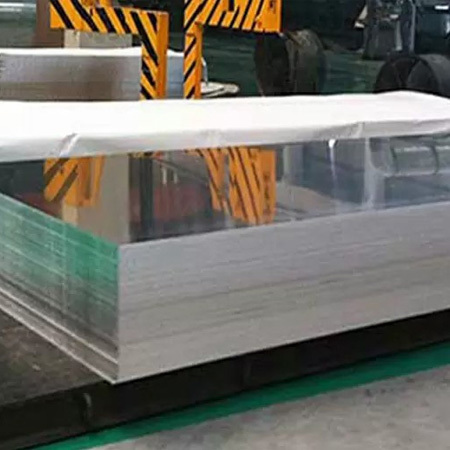
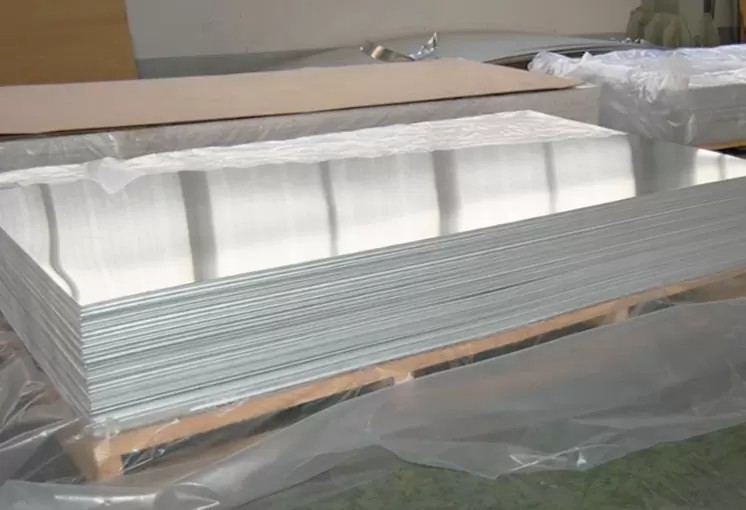
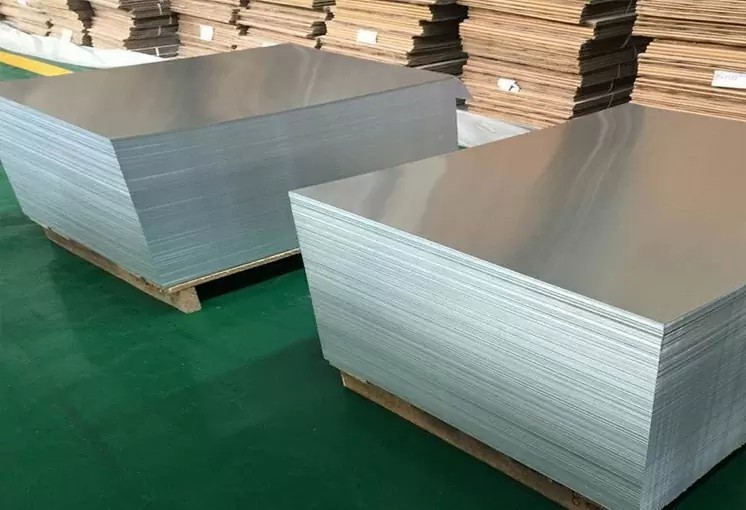
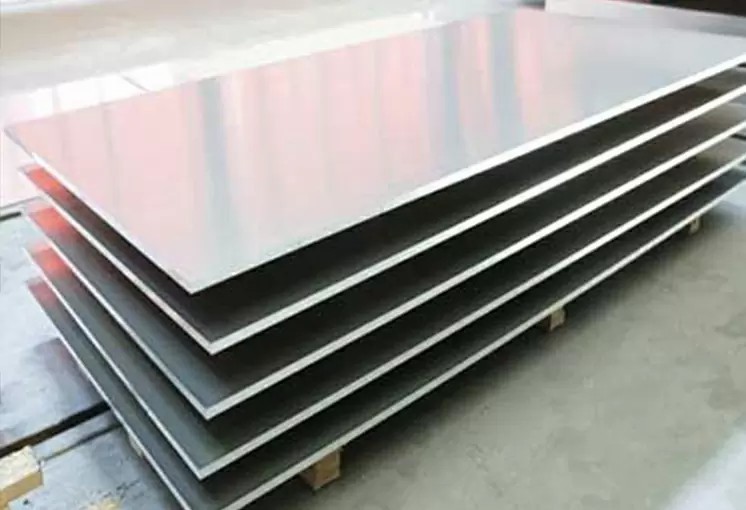
6161 aluminum alloy T6 hardness standard data and functions:
① The main alloying elements in 6161 alloy are magnesium and silicon, which provide moderate strength, good corrosion resistance, weldability, and oxidation resistance. It is widely used in various industrial structural parts requiring certain strength and high corrosion resistance. Its typical chemical composition is: Cu: 0.15–0.4%; Si: 0.4–0.8%; Fe: ≤0.7%; Mn: 0.15%; Mg: 0.8–1.2%; Zn: ≤0.25%; Cr: 0.04–0.35%; Ti: ≤0.15%. The difference between T6 and T651 tempers for 6161 aluminum plate is that T6 typically retains higher internal stress and may deform during machining, while T651—achieved by stretching after T6 treatment—effectively relieves internal stress, making it more suitable for precision machining.
② The main alloying elements of 6161 aluminum alloy are magnesium and silicon, forming the Mg₂Si phase. The addition of manganese and chromium helps counteract the adverse effects of iron. Small amounts of copper or zinc may be added to enhance strength without significantly compromising corrosion resistance. In conductive materials, copper is included to offset the negative impact of titanium and iron on electrical conductivity. Zirconium or titanium can refine the grain structure and control recrystallization. Lead and bismuth are added to improve machinability. The solid solution of Mg₂Si in aluminum enables the alloy to be strengthened through artificial aging. 6161 aluminum alloy offers moderate strength, excellent corrosion resistance, good weldability, and effective anodizing performance.
③ Alcoa 6161-T651 is a premium 6-series alloy produced through heat treatment and pre-stretching processes. It exhibits excellent machinability, good corrosion resistance, high toughness, minimal deformation after processing, ease of coloring, outstanding anodizing effects, and other superior characteristics.
General properties of aluminum:
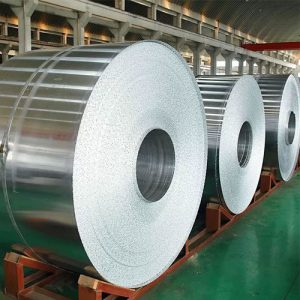
Aluminum is a silvery-white, lightweight metal with relatively low hardness, a density of 2.7 g/cm³, a melting point of 660.4°C, and a boiling point of 2467°C. Aluminum and its alloys possess numerous excellent physical properties and are widely used across various industries. Aluminum reflects light effectively, with ultraviolet reflectivity superior to silver. Higher purity aluminum offers better reflectivity, making vacuum aluminum coating a common method for producing high-quality mirrors. The combination of vacuum-aluminized film and polysilicon film serves as a cost-effective, lightweight material for solar cells. Aluminum powder maintains a silvery luster and is often used in paints, commonly referred to as “silver powder.” Pure aluminum is an excellent electrical conductor, second only to silver and copper, and is widely used in power transmission lines and cables. It is also a good thermal conductor, making it suitable for heat exchangers, cooling components, and household cookware. Aluminum exhibits high ductility, allowing it to be drawn into fine wires, rolled into various products, or processed into foil thinner than 0.01 mm for packaging applications such as cigarettes and candies.
Aluminum alloys offer enhanced properties compared to pure aluminum, significantly expanding their application scope. For instance, while pure aluminum is soft, the addition of copper, magnesium, manganese, and other elements can substantially increase its strength, making it comparable to steel while remaining lightweight and corrosion-resistant. This makes aluminum alloys ideal for aerospace, automotive, railway, marine, satellite, and rocket manufacturing. At cryogenic temperatures as low as –196°C, some steels become brittle, whereas certain aluminum alloys gain strength and toughness, making them economical and lightweight materials for storing liquid oxygen and hydrogen in rocket propulsion systems.
Packing and shipping
Our company has passed ISO9001 quality management system certification, Our Mill product with CE/EN10204 / ASTM/Classification society certificate/CASO/BIS etc certificate.All the customers give good appreciation to our products.We are glad to be your good partner.

Application Areas
Steel is widely used in steel structure workshops, bridge frames, main structures of high-rise buildings, and infrastructure construction (such as highways, oil and gas pipelines). Its high strength properties ensure load-bearing stability and seismic performance. In ship manufacturing, steel is used to build hull structures, decks, and internal components. Hot-rolled coils rely on their load-bearing capacity to adapt to harsh environments.

Factory workshop
With a commitment to excellence, innovation, and sustainability, the company has established itself as a trusted partner in the international steel industry.After nearly two decades of relentless endeavour, our client base now spans over 110 countries and regions across Europe, the Middle East, South America, and Southeast Asia.